Most German Shepherds do not eat. They vacuum. You set the bowl down, turn to grab a glass of water, and the food is already gone. It can seem almost impressive at first. But speed eating in this breed is genuinely dangerous, and it is one of the most preventable risk factors for a condition that kills thousands of dogs every year.
Gastric dilatation-volvulus (GDV), commonly called bloat, is the number one surgical emergency for deep-chested breeds. German Shepherds are among the breeds most frequently presented for GDV at veterinary emergency hospitals. A dog that inhales a full meal in under sixty seconds swallows massive amounts of air with every bite. That air has to go somewhere.
This is not a quirk to shrug off. It is a habit worth addressing today.
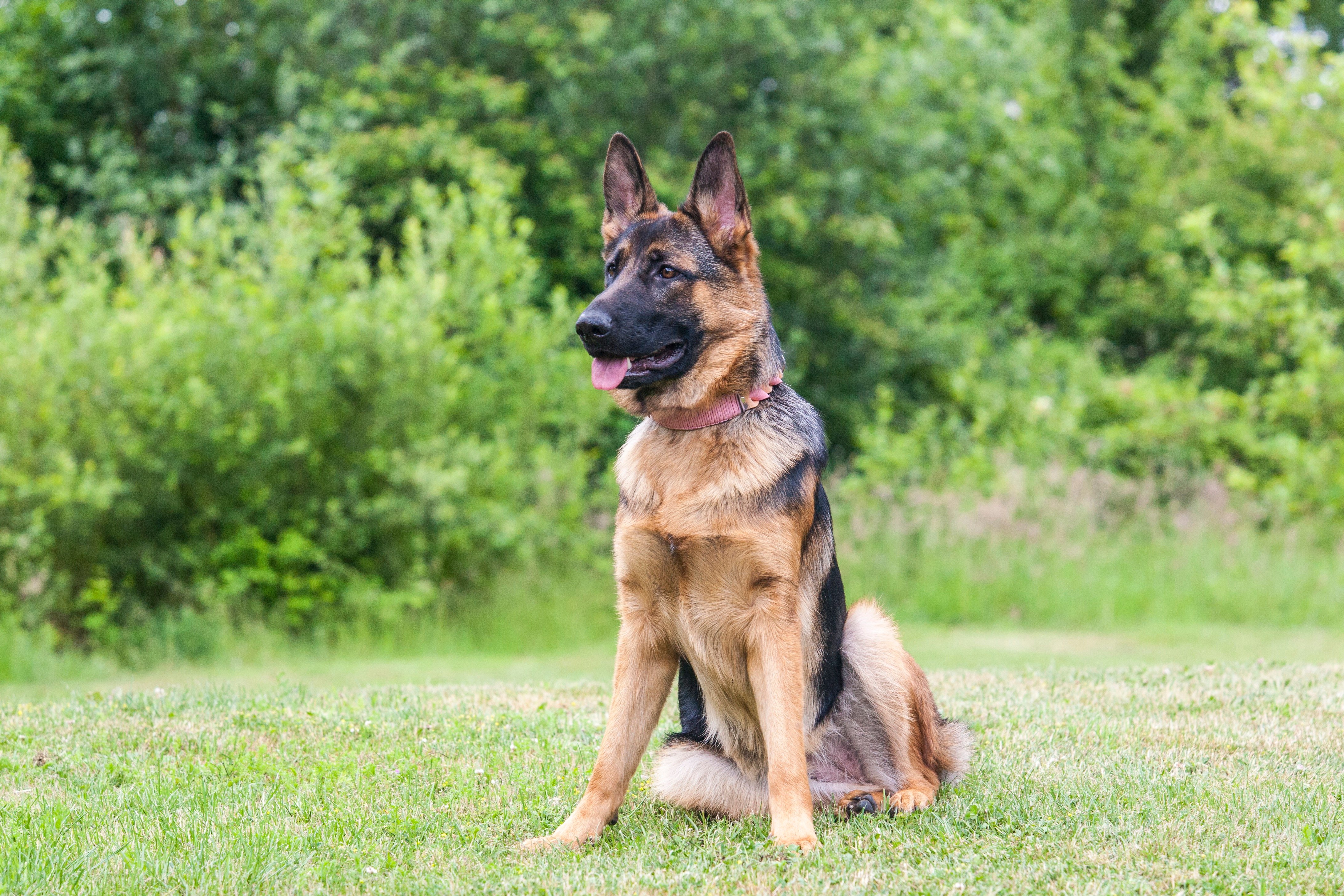
Why Speed Eating Is Especially Dangerous for This Breed
Not every dog carries the same bloat risk. Shepherds check nearly every box.
They are deep-chested with a narrow torso, which is the exact body shape associated with GDV. And a landmark study from Purdue University found that dogs who eat rapidly have roughly five times the risk of developing bloat compared to slow eaters.
“Dogs that ate rapidly were five times as likely to develop GDV as dogs that ate at a normal speed. The risk also increased with feeding one large meal per day rather than two or more smaller meals.”
— Purdue University Bloat Study
That same research identified several compounding factors:
- Dogs fed once per day were about twice as likely to bloat as those receiving two or more meals
- Anxious or high-strung temperaments showed higher rates of GDV. If you have owned a Shepherd, you know this breed is rarely relaxed at mealtime.
- Swallowing air during rapid eating is considered a primary trigger for the initial gastric dilation
German Shepherds already sit in the highest risk category by anatomy alone. Speed eating stacks a behavioral risk on top of that. The combination is what makes this urgent.
Do NOT Elevate the Bowl
This is one of the most persistent myths in large-breed feeding, and it needs addressing directly.
For years, raised feeders were recommended for bloat prevention. The logic seemed sound: less bending, less air swallowing. But the Purdue study found the opposite. Raised feeders increased the risk of bloat by approximately 110% in large and giant breeds. The researchers estimated that roughly 20 to 52 percent of GDV cases in large breeds could be attributed to elevated food bowls.
If your Shepherd eats too fast, a raised bowl will likely make things worse. Feed from the floor.
Solutions That Work
The good news is that slowing a fast eater down is straightforward. Most owners see immediate results with one or more of these approaches.
Slow Feeder Bowls
The simplest fix and the one worth trying first. Slow feeder bowls have ridges, mazes, or raised patterns inside that force a dog to work around obstacles instead of scooping up huge mouthfuls. Many designs extend eating time by up to ten times compared to a standard bowl.
For a Shepherd that finishes a meal in thirty seconds, that could mean five full minutes of paced eating. The difference in air intake alone is significant. For specific product recommendations, see our best slow feeder bowls for German Shepherds guide.
Split Meals Into Two or Three Feedings
Feeding two or three smaller portions instead of one large one reduces the volume hitting the stomach at once. It also reduces the desperation factor. A dog that knows another meal is coming tends to eat with less urgency than one getting its only food for the day.
The Purdue data backs this directly: once-daily feeding roughly doubled the bloat risk. Our feeding schedule guide breaks down timing by age.
Scatter Feeding and Food Puzzles
Spreading kibble across a large mat, a muffin tin, or even the lawn forces your dog to eat one piece at a time. It is mentally stimulating too, which helps channel the anxious energy that often drives speed eating. Snuffle mats work on the same principle.
Hand Feeding
It sounds time-consuming, but feeding a portion of each meal by hand is one of the most effective ways to control pace. You decide how fast the food comes. It also builds impulse control and strengthens your bond with the dog. Shepherds tend to respond well to that kind of structured interaction.
The Tennis Ball Trick
Drop a few tennis balls into a regular bowl on top of the kibble. Your dog has to push them around to reach the food underneath. It is free, works immediately, and buys you time while you order a proper slow feeder.
Keep Mealtimes Calm
Avoid vigorous exercise for at least thirty minutes before eating and at least an hour after. Physical activity on a full stomach is commonly associated with increased bloat risk. No roughhousing, no running around mealtime. Keep things boring.
Bloat Emergency Signs
Slowing down a fast eater is prevention. But if GDV does occur, it is a time-critical emergency. Know these signs:
- Distended, hard abdomen that looks swollen and feels tight
- Unproductive retching where the dog tries to vomit but nothing comes up
- Excessive drooling and pacing
- Inability to get comfortable, restlessness
- Rapid breathing or pale gums
The AKC warns that GDV can become fatal within hours. If you see these symptoms, get to an emergency vet without delay. There is no home remedy for this.
For owners of high-risk breeds, it is worth discussing prophylactic gastropexy with your veterinarian. This surgical procedure tacks the stomach to the abdominal wall to prevent twisting. According to PetMD, it can reduce GDV recurrence significantly, and many vets can perform it during a routine spay or neuter.
Frequently Asked Questions
How fast is too fast for a German Shepherd to eat?
There is no official cutoff, but most veterinary professionals consider finishing a full meal in under two minutes to be fast eating. If your Shepherd clears the bowl in thirty to sixty seconds, that is firmly in the risk zone for excessive air swallowing.
Will a slow feeder bowl actually prevent bloat?
No single measure eliminates bloat risk entirely. But reducing eating speed is one of the most significant controllable factors identified in the Purdue research. Combined with multiple daily meals and calm mealtimes, it meaningfully lowers the odds.
Can puppies use slow feeder bowls?
Yes. Starting a puppy on a slow feeder teaches paced eating as a default rather than trying to retrain an adult later. Make sure the bowl is appropriately sized. A giant-breed slow feeder will frustrate a small puppy.
My Shepherd only eats fast when other dogs are around. Is that still dangerous?
Yes. Competition-driven speed eating carries the same bloat risk as habitual fast eating. If you have multiple dogs, feed them in separate rooms so each can eat at its own pace without guarding or rushing.
Speed eating is one of the easiest risk factors to address, and for a breed as bloat-prone as this one, it is not something to ignore. A slow feeder, split meals, and calm mealtimes cost almost nothing and can spare your dog a life-threatening emergency.
For more on building a solid feeding routine, start with our complete German Shepherd food guide or check how often to feed your German Shepherd for meal frequency guidelines by age.
Disclaimer: This content is for general informational purposes only and is not veterinary advice. Consult a licensed veterinarian for decisions about your dog's health, diet, or medical care. Read full disclaimer →
Related Articles
Best Slow Feeder Bowls for German Shepherds
Top slow feeder bowls for German Shepherds. Reduce bloat risk and speed eating — 5 bowls tested for large-breed muzzles.
German Shepherd Feeding Schedule by Age
Complete feeding schedule for German Shepherds from puppy to senior. When to feed, how often, and how to build a routine that works.

How Often Should You Feed a German Shepherd
Feeding frequency by age for German Shepherds. How many meals per day for puppies, adults, and seniors — plus timing tips.