There is one breed. But there are five distinct lines within the German Shepherd, each shaped by decades of separate breeding programs with different goals. An American show-line dog and a Czech border patrol dog share a breed name and a common ancestor, and almost nothing else in terms of build, drive, or daily behavior.
Understanding these lines matters if you are buying a Shepherd. The line determines far more about what your dog will look and act like than any individual breeder’s promises. A dog bred for four generations to patrol the East German border will not behave like one bred for four generations to win AKC conformation shows, regardless of how you raise it.
Here is what separates the five lines, what each was built for, and which type fits different owners.
Quick Comparison: All 5 Lines
| Line | Bred For | Build | Temperament | Price Range |
|---|---|---|---|---|
| American Show | AKC conformation | Larger, lighter frame, extreme rear angulation | Calm, companion-oriented | $1,500–$2,500 |
| West German Show (SV) | SV Sieger shows | Moderate angulation, strong bone | Balanced, good nerve strength | $5,000–$8,000 |
| West German Working | Police, military, sport | Athletic, straighter topline | High drive, controlled intensity | $1,500–$3,500 |
| East German (DDR) | Border patrol, military | Blocky head, barrel chest, heavy bone | Strong, resilient, serious | $1,500–$3,500 |
| Czech Working | Army border patrol | Slightly smaller, agile | Highest drive, most intense | $2,500–$3,000 |
The price ranges reflect dogs from reputable breeders in the United States. Prices vary significantly by region, pedigree, and whether the dog has titled parents.
American Show Line
The American show line is what most people in the United States picture when they think of the breed. These dogs are bred primarily for the AKC conformation ring, where judges evaluate appearance against the breed standard.
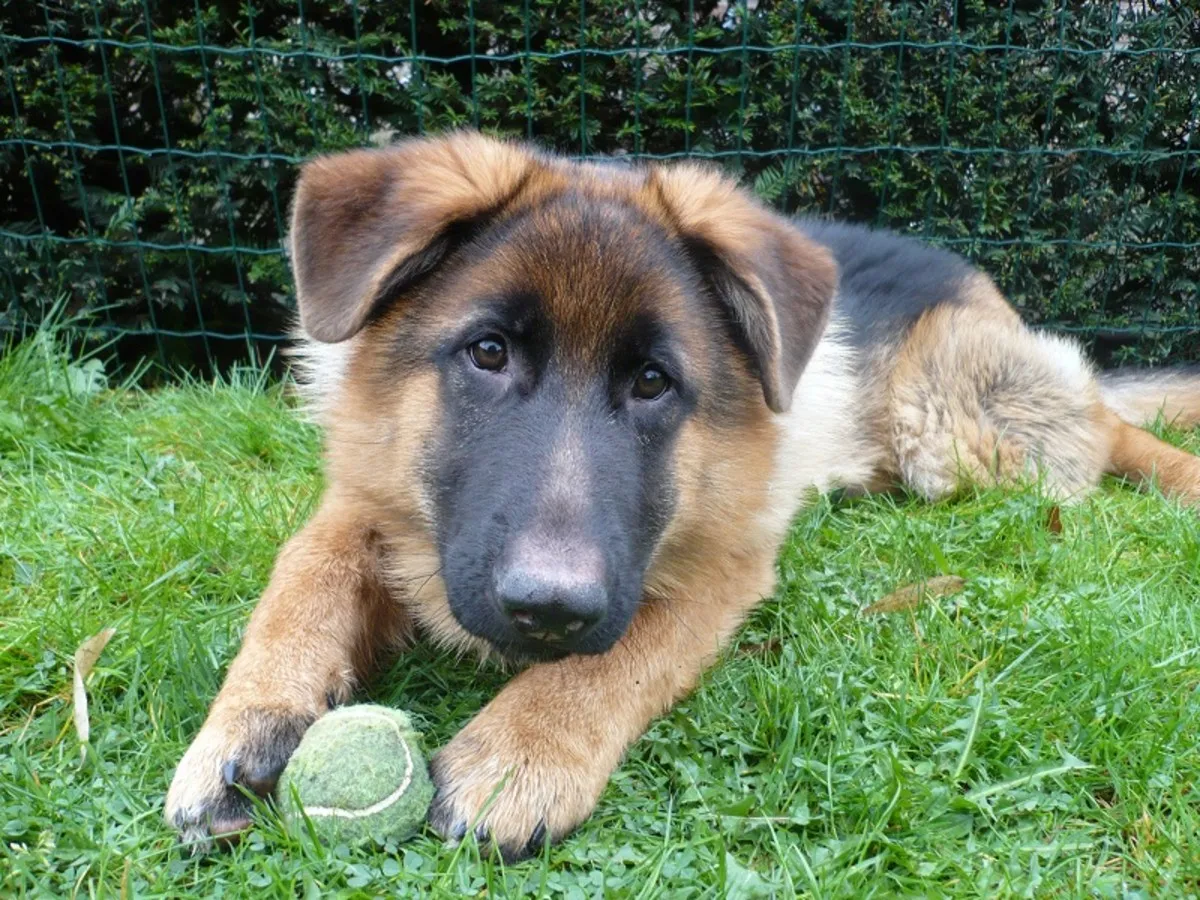
Appearance. American show lines tend toward more dramatic rear angulation, the sloped topline that gives the dog a distinctive “downhill” silhouette. They are often larger in overall frame but lighter in bone compared to European lines, with relatively smaller heads. Black and tan saddle patterns dominate. These are striking dogs, built to move around a show ring.
Temperament. Because the AKC ring rewards calm, manageable behavior, these dogs have been selected over generations for an easygoing disposition. They are generally the most companion-oriented of the five lines. Lower drive makes them easier for first-time Shepherd owners to handle.
Health considerations. The extreme rear angulation seen in some American show lines has drawn criticism from working-line breeders and veterinarians who argue it may contribute to joint stress. Still, structural soundness varies widely by breeder. Well-bred American show dogs with moderate angulation can be perfectly sound. The key is choosing a breeder who health-tests rather than assuming all American lines share the same issues.
Good choice for: Families wanting a calmer German Shepherd with the classic look. First-time Shepherd owners who want a companion rather than a working partner.
West German Show Line (SV)
West German show lines are often called “SV lines” after the Schäferhund Verein, the parent breed club in Germany. These dogs represent a fundamentally different breeding philosophy than their American counterparts, and the difference comes down to one rule: you cannot breed them based on looks alone.
The GSDCA breed standard page reflects the AKC approach, while the SV system goes further: every breeding dog must earn a working title, pass hip certification, complete a 12.5-mile endurance test, and undergo a Körung (breed survey) before producing a litter.
The SV system. Before a West German show-line dog can be bred, it must have:
- An IPO/Schutzhund title (demonstrating tracking, obedience, and protection ability)
- Certified hips (A-stamp or equivalent)
- A completed AD endurance test (a 12.5-mile run)
- A Körung (breed survey), a pass/fail evaluation requiring all of the above plus a minimum show rating of “Good”
Every breeding dog has proven it can work, move, and think under pressure. No purely cosmetic dogs enter the breeding pool.
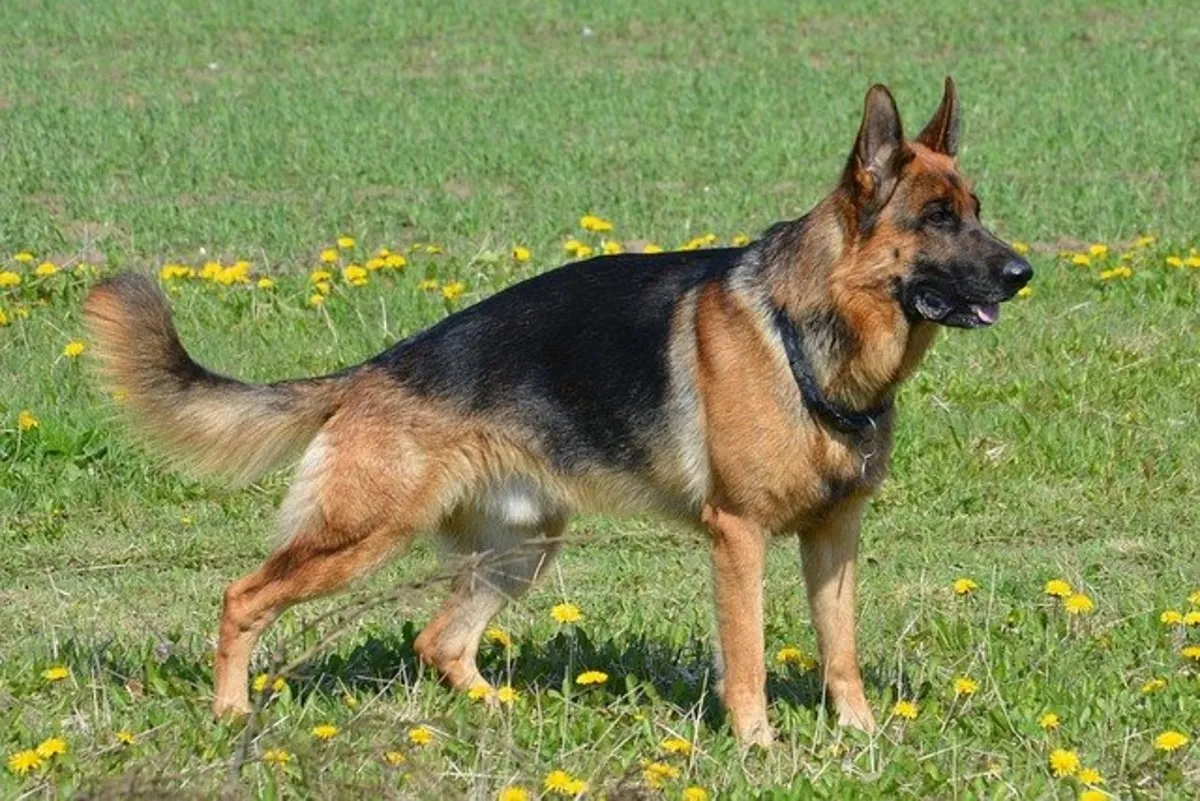
Appearance. These Shepherds show moderate angulation, less extreme than American lines, with a more balanced silhouette. Black and red saddle-back coloring is the most common pattern. They look athletic without being exaggerated.
Temperament. SV lines emphasize “nerve strength,” meaning a dog’s ability to stay calm under pressure, recover from stress, and remain stable in new situations. The result is a dog that is relaxed enough for family life but confident enough to do real work when asked. Many owners describe them as the most well-rounded of the five lines.
Why the price. West German show lines typically cost $5,000 to $8,000 in the US, making them the most expensive line. That premium reflects the extensive testing every breeding dog must pass, the cost of titling and health certification, and the limited supply of dogs with full SV credentials outside Europe.
Best for: Families who want a well-rounded Shepherd with independently verified temperament and health. Owners who value structure and are willing to invest in a dog from a proven breeding program.
West German Working Line
West German working lines are the backbone of professional German Shepherd work worldwide. Most police K-9s, military dogs, and search-and-rescue Shepherds trace their pedigrees here. These dogs are bred for stable temperament, high drives, and the ability to perform demanding tasks over long careers.
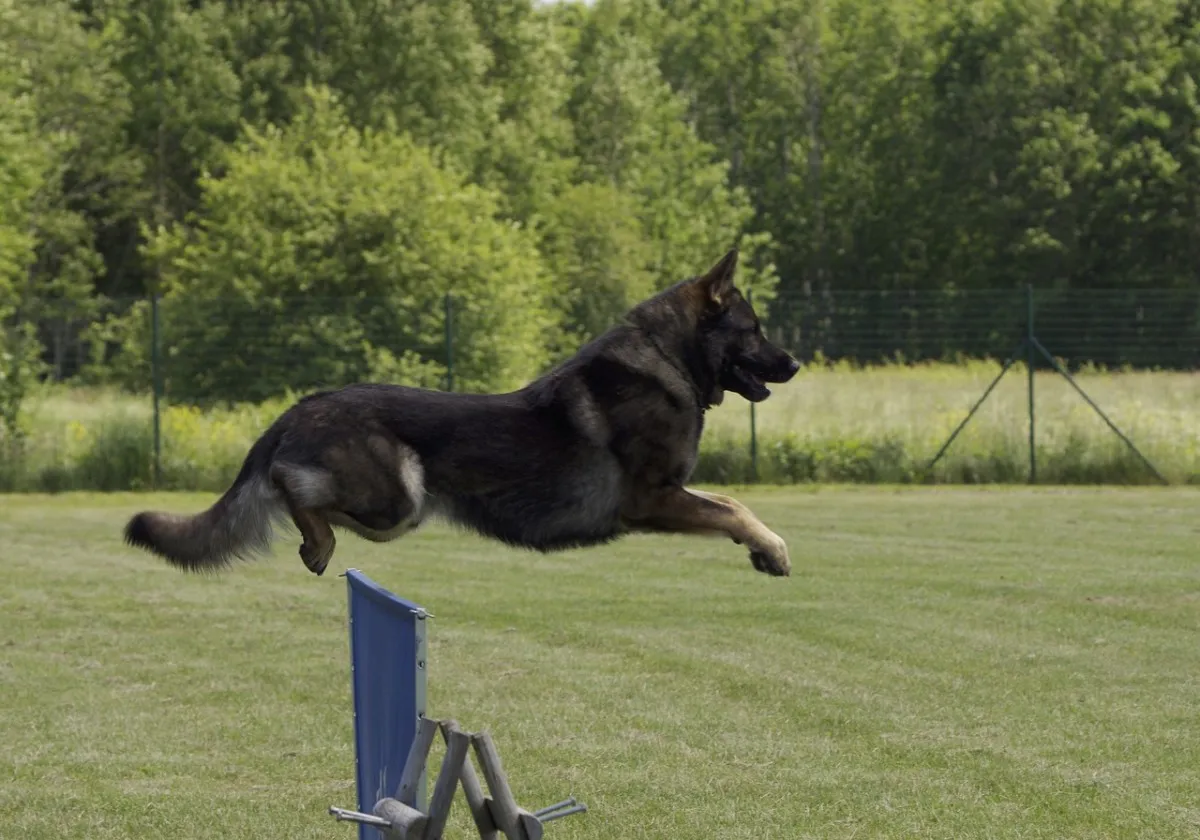
Appearance. Working lines look different from show lines at a glance. The topline is straighter, the build more compact and athletic. Sable coloring (where individual hairs are banded with multiple colors) is common, along with black, bi-color, and dark patterns. These dogs look like what they are: athletes built for function.
Temperament. High drive with control. That balance is the entire point. A good working-line Shepherd has strong prey drive, solid nerves, and the ability to switch between intense focus and calm behavior. They want to work. Many owners channel that drive through protection sport (IPO/Schutzhund), agility, nose work, or real working roles.
That drive is also why these dogs are not ideal for passive owners. A working-line Shepherd without enough mental and physical stimulation will find its own outlets, and you will not enjoy the ones it picks.
Health. Working-line breeders who compete and title their dogs have a practical incentive to breed sound structure: a dog with bad hips cannot work. Health testing is standard among reputable breeders, though it is not mandated the way it is in the SV system.
Good choice for: Active owners who want a training partner. Sport competitors. Professional handlers. Experienced Shepherd owners who understand drive and know how to direct it.
East German (DDR) Line
The DDR line has the most unusual origin story in the breed’s history. These dogs were a product of the Cold War, bred and controlled entirely by the East German state.
The program. After Germany’s division in 1949, the East German government took control of Shepherd breeding. The program had one purpose: producing dogs for border security. At the height of the Cold War, roughly 1,000 sentry dogs patrolled the 850-mile East German border and 97 kilometers of Berlin Wall border dog runs.
The breeding standards were ruthless. State-appointed breed wardens inspected every litter for dentition, temperament, bone structure, ear set, and coat quality. Males with undescended testicles were culled from the program. Hip dysplasia screening was the strictest of any line. A rating of “fast normal” (near-normal) or worse disqualified a dog from breeding entirely. Generation after generation, only the most structurally sound dogs reproduced.
Physical standards. DDR dogs were held to higher performance benchmarks than their West German counterparts. They scaled straight 6-foot walls (West German tests used 5-foot angled walls), searched 10 blinds during protection evaluation (versus 6), and completed tracking courses with 16 corners (versus 8). The program produced dogs that were physically harder and more resilient than anything on the other side of the Wall.
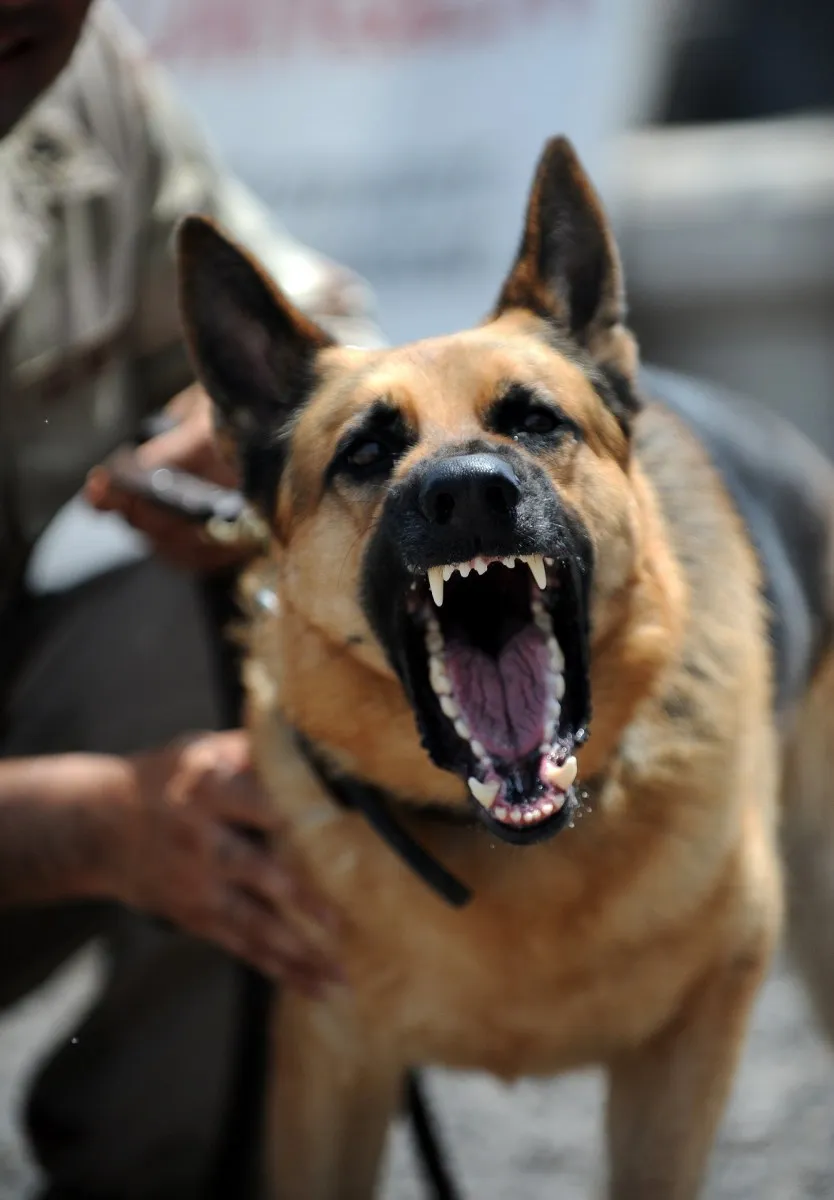
Appearance. DDR Shepherds are unmistakable. Large, blocky heads. Thick paws. Barrel chests. Dense bone throughout. Dark sable, solid black, and bi-color patterns are most common. They look heavier and more powerful than other lines, and they are.
Temperament. These are serious, steady dogs. They were bred to work long hours in harsh conditions, and that genetic legacy shows. DDR lines tend to be less flashy in drive expression than Czech or West German working dogs: more controlled, more measured, more persistent. They bond deeply with their handler.
After the Wall fell. When Germany reunified in 1990, the state breeding program ended. Many DDR dogs were sold, adopted, or dispersed across Europe. Some bloodlines were absorbed into West German working programs. Today, “DDR line” dogs in the US trace back to those original East German pedigrees, though purebred DDR dogs become rarer with each generation as lines blend.
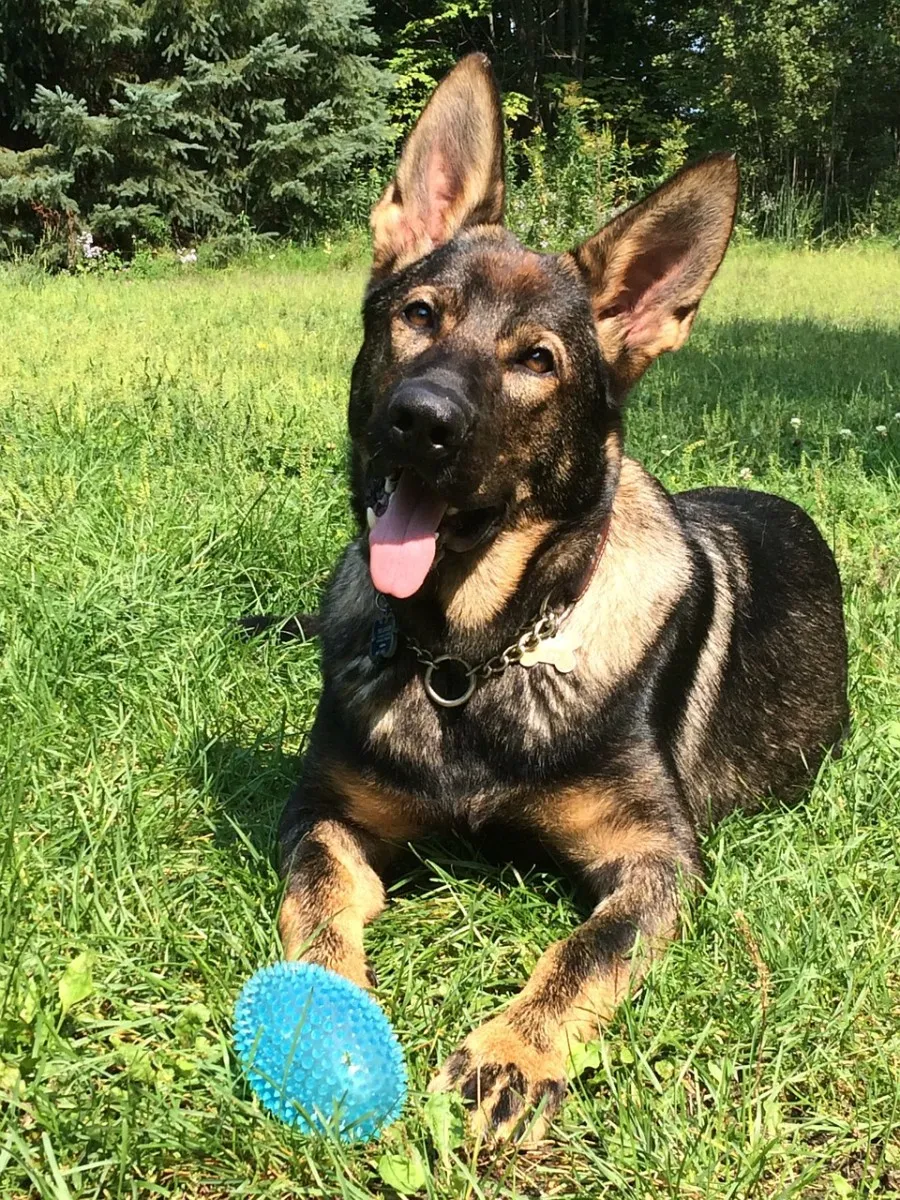
Best for: Experienced owners who want a robust, health-screened working dog with a stable temperament. Owners who appreciate the breed’s working heritage and want a dog with proven structural soundness in its pedigree.
Czech Working Line
Czech working lines originated from a separate Cold War breeding program run by the Pohranicni Straze (border patrol) of the Czechoslovakian Army. Like the DDR program, it produced dogs for military border patrol. Unlike the DDR program, it optimized for raw intensity.
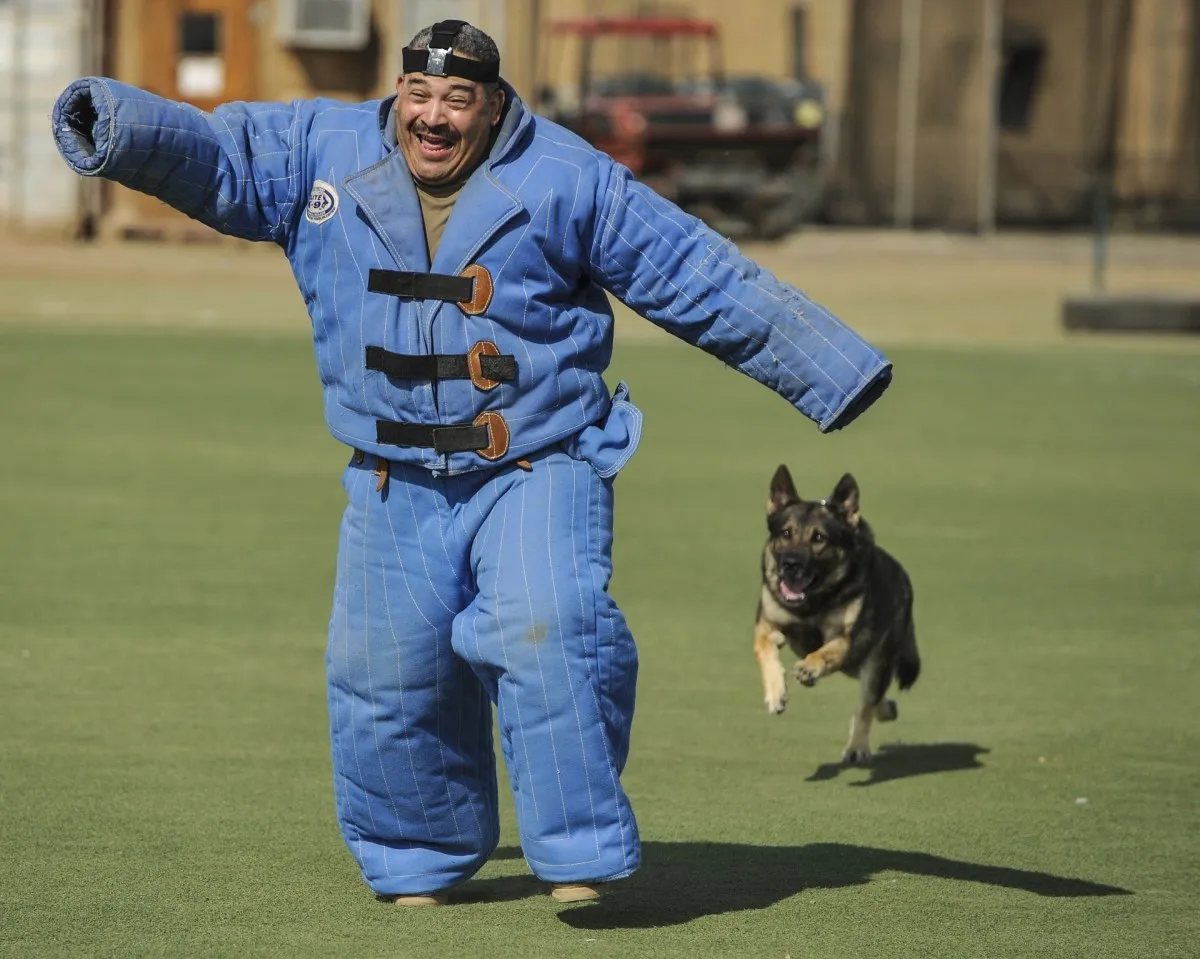
Build. Czech lines may run slightly smaller than other types. Males typically stand 24 to 26 inches and weigh 66 to 68 pounds; females 22 to 24 inches and 49 to 61 pounds. They are compact, agile, and built for explosive movement rather than endurance patrolling.
Temperament. Czech working lines are often described as the hardest dogs among the five types. “Hard” in working-dog terms means a dog that does not back down easily, recovers instantly from corrections, and maintains intensity under pressure. These dogs have the highest drives of all lines: highest prey drive, highest defense drive, highest overall intensity. They are wired to work and they demand an outlet.
That intensity is not a flaw. It is exactly what the Czechoslovakian military bred for, and it makes Czech lines exceptional at protection sports, detection work, and tactical roles. But it does mean these dogs are a poor match for casual pet owners. A Czech working-line Shepherd in a home without structured activity and experienced handling will be overwhelming.
Price. Within the Czech Republic, these dogs sell for $600 to $1,200. Imported to the United States, expect $2,500 to $3,000, with titled dogs or those from proven working parents costing more.
Good choice for: Experienced handlers who want maximum drive and intensity. Professional working roles. High-level sport competitors. Not recommended for first-time Shepherd owners.
Which Line Is Right for You?
The best line is the one that matches your lifestyle, not the one with the most impressive pedigree or the most compelling backstory.
If you are a first-time German Shepherd owner looking for a family companion, the American show line or a well-bred West German show line offers the most manageable temperament. The American line is more affordable; the West German show line gives you independently verified health and temperament at a higher price point.
If you are an active owner who wants a training partner for sport, hiking, or structured activities, West German working lines offer the best balance of drive and controllability. They have enough intensity to keep up with demanding work but enough stability to live comfortably as family dogs between training sessions.
If you are an experienced handler looking for a professional working dog or high-level sport competitor, Czech and DDR lines bring the most intensity and resilience. Czech dogs suit handlers who want maximum drive. DDR lines suit those who value steady, powerful work over flashy intensity.
If health-tested pedigree is your top priority, West German show lines (SV) have the most rigorous mandatory testing. DDR lines have the strongest historical health screening, though that legacy depends on how carefully modern breeders have maintained those standards.
Regardless of line, the individual breeder matters enormously. A health-tested, well-socialized dog from a responsible American show-line breeder will be a better pet than a poorly bred dog from any working line. According to the Orthopedic Foundation for Animals (OFA), approximately 20% of German Shepherds evaluated between 1974 and 2015 showed evidence of hip dysplasia, a figure that dropped to about 18% for dogs born between 2011 and 2015. Those numbers cut across all lines. Rigorous health screening by individual breeders matters more than which line a dog belongs to.
For a deeper look at what puppies cost from different breeders and what drives price differences, see our breeder pricing breakdown.
AKC vs. SV/FCI: Why Breed Standards Matter
The divide between American and European German Shepherds reflects two fundamentally different philosophies about what a breeding standard should accomplish.
The FCI Standard No. 166 requires that breeding dogs demonstrate working ability alongside physical soundness, a whole-dog evaluation. The AKC system evaluates appearance and movement only, with no mandatory working or health tests for breeding stock.
The AKC approach. The American Kennel Club judges German Shepherds on appearance and movement in the conformation ring. A dog that looks correct and moves well can earn a championship and be bred. There is no requirement to demonstrate working ability, no mandatory health testing, and no temperament evaluation beyond basic ring behavior. This is an appearance-first system.
The SV/FCI approach. The Verein für Deutsche Schäferhunde (SV), operating under the Fédération Cynologique Internationale (FCI), treats breeding as a complete evaluation. A Shepherd must earn a Schutzhund/IPO working title, pass hip certification, complete a 12.5-mile endurance test, and undergo a Körung (breed survey) before it can be bred. The breed survey evaluates structure, temperament, and nerve strength in a pass/fail format. This is a whole-dog system.
Color standards differ too. The FCI recognizes two coat varieties (stock coat and long stock coat, as of 2010) and excludes liver, blue, and Isabella colors. The AKC recognizes one coat length and excludes only white.
What this means for buyers. When you buy a West German show-line dog, its parents have been independently evaluated for health, structure, temperament, and working ability. When you buy an American show-line dog, its parents may have been evaluated only on appearance. Neither system is inherently superior; they optimize for different things. But understanding the difference helps you know what you are actually paying for.
For more on the shared traits that all German Shepherds have in common regardless of line, see our guide to breed characteristics.
Sources
- Orthopedic Foundation for Animals (OFA). Hip dysplasia statistics for German Shepherds, 1974–2015 evaluation data. ofa.org
- Verein für Deutsche Schäferhunde (SV). Körung (breed survey) requirements and breeding regulations.
- American Kennel Club (AKC). German Shepherd Dog breed standard and conformation guidelines. akc.org
- Fédération Cynologique Internationale (FCI). Standard No. 166, German Shepherd Dog, including 2010 coat variety amendment. fci.be
- German Shepherd Dog Club of America (GSDCA). Breed standard documentation. gsdca.org
- Historical records of DDR (East German) state breeding program and Pohranicni Straze (Czechoslovakian border patrol) breeding program.
Nutritional needs can vary by line, particularly between lower-drive companion dogs and high-drive working Shepherds. For guidance on feeding by size, age, and activity level, see our feeding guide.
Related Articles
German Shepherd Breed Characteristics
German Shepherd breed characteristics: AKC standard measurements, temperament, intelligence ranking, physical traits, and what makes this breed unique.
History of the German Shepherd Breed
From Max von Stephanitz and Horand von Grafrath in 1899 to the world's most versatile working dog. The complete history of the German Shepherd breed.